wellness
Screen Time Before Bed Disrupts Sleep, Geneva Researchers Confirm
New evidence is hardening the case against late-night scrolling, and Geneva's wellness community is starting to take it seriously.
How we reported this
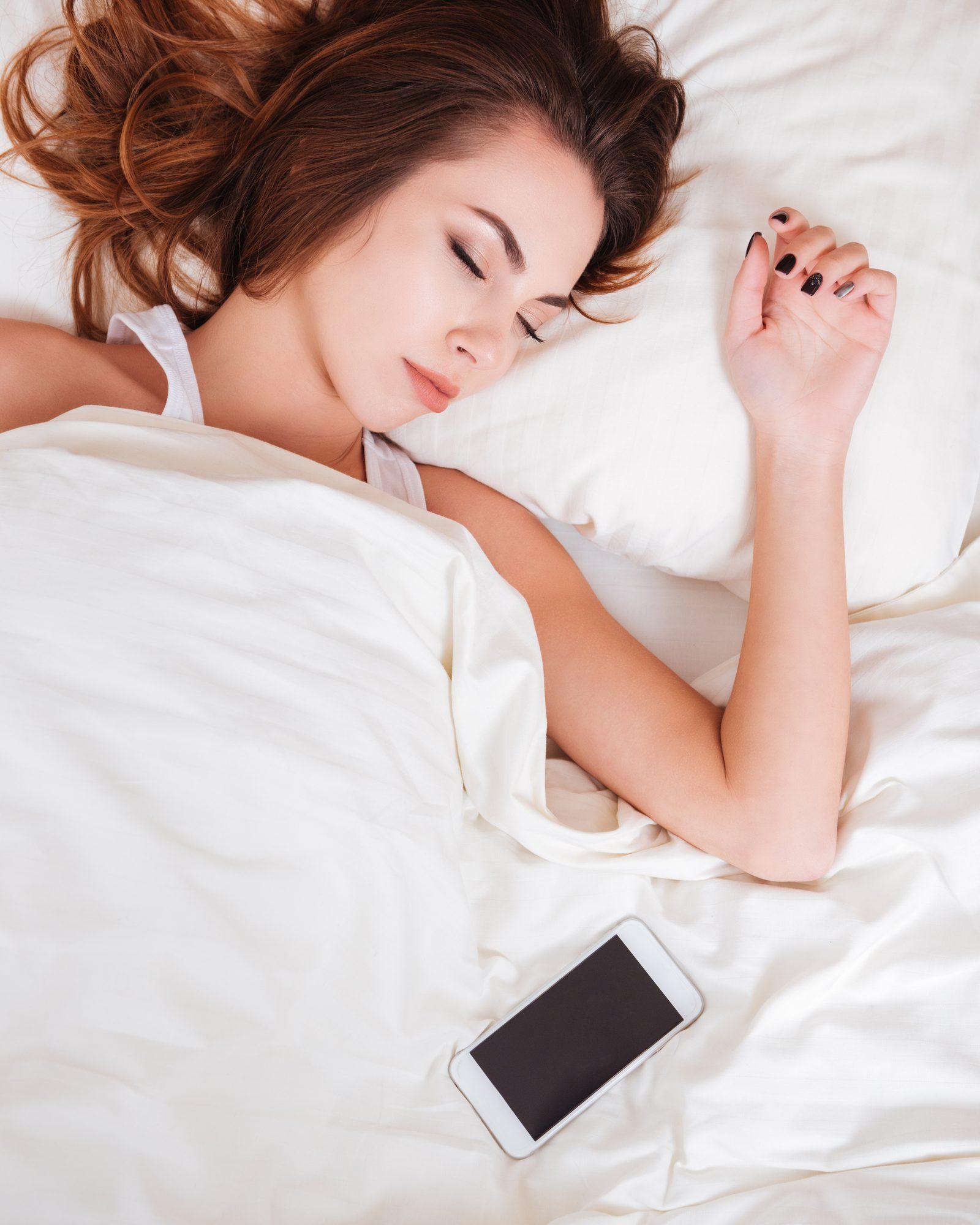
Adults who use a smartphone or tablet for more than one hour after 9 p.m. take an average of 24 minutes longer to fall asleep than those who stop earlier, according to a 2025 meta-analysis published in Sleep Medicine Reviews covering 61 studies and more than 400,000 participants. That single number is reshaping how sleep specialists talk about the evening routine.
The timing matters. Hormone research published earlier this year has renewed public interest in melatonin suppression, the mechanism by which blue-wavelength light from screens delays the brain's sleep signal. Combined with growing anxiety around economic uncertainty, including the housing affordability pressures squeezing younger Europeans out of city centres like Geneva's Pâquis district, sleep quality has become a frontline wellness concern rather than a niche obsession. Chronobiologists have been saying this for a decade. The general public is finally listening.
What the science actually says, and what it doesn't
The research is consistent on one point: light-emitting screens used within 90 minutes of bedtime measurably suppress melatonin production. A 2024 study from the University of Basel, roughly 70 kilometres from Geneva, found that participants using devices with "night mode" enabled still showed a 15 percent reduction in melatonin compared with those reading a printed book. Night mode helps. It does not solve the problem.
The social and psychological dimension complicates things further. Passive scrolling through short-form video appears to be more disruptive to sleep onset than active tasks like reading long-form text on a device, according to research from the Swiss National Science Foundation's 2023 programme on digital behaviour. The stimulation is the issue as much as the light. A message notification at 11 p.m. triggers a cortisol micro-spike, regardless of the screen's colour temperature setting.
What the research does not support is the blunter version of the message, that all screen use after dark is equally harmful. Video calls with family, reading an e-book on a dim setting, or following a guided meditation app produce meaningfully different physiological responses. Context counts.
Geneva's wellness sector responds
Several organisations in Geneva have started weaving these findings into structured programmes. The Hôpital de La Tour in Meyrin runs a sleep medicine consultation service that now includes a mandatory digital habits questionnaire as part of its initial assessment, a change introduced in January 2026. Patients are asked to log screen exposure for seven days before their first appointment, producing data the clinicians say is more useful than self-reported estimates.
In the city centre, the Espace Vitalité wellness studio on Rue de Rive has offered a six-week sleep optimisation workshop since March 2026, priced at CHF 320 for the full programme. The curriculum includes one session specifically on chronobiology and device use, drawing on the Basel and SNSF research. Participants receive a paper logbook, deliberately analogue, for tracking sleep patterns across the course.
Across the lake in Carouge, the neighbourhood's cluster of independent health practitioners has organised a free public lecture series at the Salle del Castillo, running on the first Thursday of each month through September. The July session, scheduled for July 3rd, covers circadian rhythm disruption in shift workers, a population the organisers say is systematically under-served by generic sleep advice.
The practical picture that emerges from the research is more nuanced than the standard "put your phone down" directive. Stopping device use 90 minutes before sleep is the threshold most consistently supported by evidence. Keeping devices out of the bedroom entirely reduces middle-of-the-night checking, which studies identify as more damaging to sleep architecture than pre-sleep use. Physical alarm clocks, a low-technology solution, remove the primary justification most people give for keeping a phone on the bedside table.
For anyone concerned about their own sleep patterns, the first step is a conversation with a GP or a specialist at a facility like Hôpital de La Tour rather than a self-diagnosis based on population-level averages. Individual variation in light sensitivity and sleep architecture is significant. The research provides a framework. A clinician applies it to a person.