lifestyle
Geneva Residents Discover Active Retirement Through Culture and Outdoor Spaces
As more residents hit retirement age, Geneva's neighborhoods, cultural institutions and outdoor spaces offer a blueprint for staying active and engaged.
How we reported this
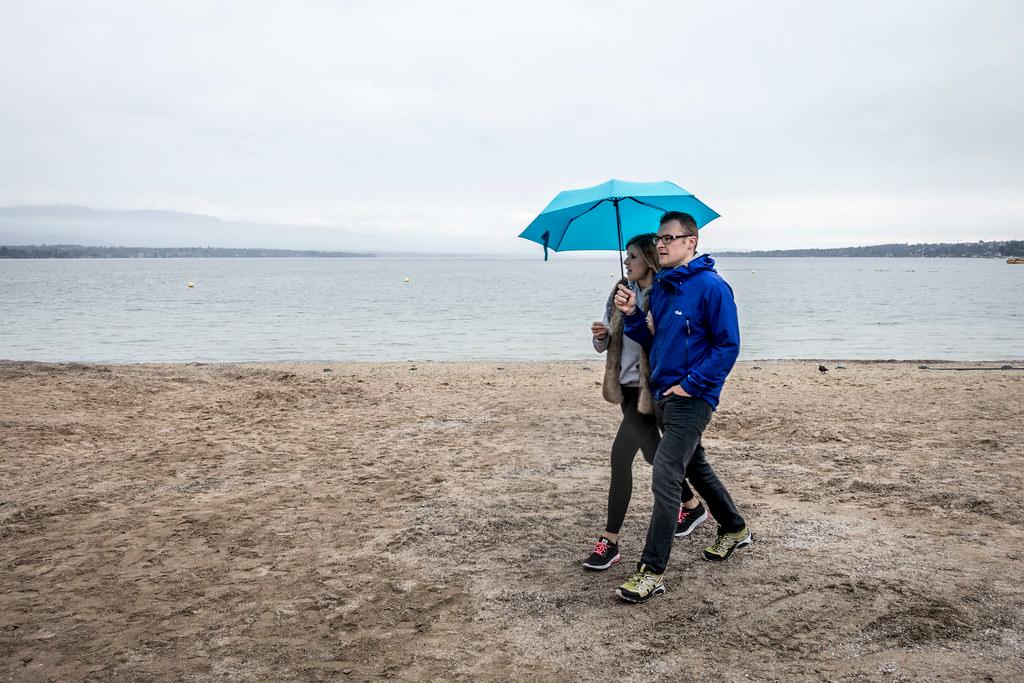
Geneva faces a demographic shift. The percentage of residents over 65 will climb to 24 percent by 2035, according to the State Secretariat for Migration, meaning thousands of Genevans are entering retirement just as the city's offerings for this life stage have expanded dramatically.
The timing matters. Geneva's upper neighborhoods are quieter than they were a decade ago, rents in central districts have softened slightly, and institutions from the Musée d'Art Moderne et Contemporain to smaller cultural centers have rolled out programming specifically designed for older adults who have time to engage deeply. The global backdrop-with geopolitical tensions keeping some travelers home-has also meant more retirees choosing to deepen roots locally rather than chase expensive expatriate havens.
Neighborhoods Worth Knowing
Professionals planning their next chapter should study Geneva's geography carefully. Carouge, the bohemian quarter across the Arve River just south of downtown, offers narrow medieval streets, independent galleries, and restaurants where a retirement crowd mingles easily. The neighborhood's population skews older than Geneva's 20-minute city center average, and rent for a two-bedroom hovers around 2,200 francs monthly-higher than suburbs but lower than Rue de Rhône properties.
Eaux-Vives, along the lakefront east of the Parc de la Grange, attracts a different retiree demographic. The waterfront paths along Quai Gustave-Ador fill daily with walkers. The neighborhood hosts Maison des Associations, a cultural hub offering everything from watercolor classes to language exchanges-programming that typically costs 60 to 90 francs per workshop. Apartment vacancies there run higher than central Geneva, and landlords increasingly offer flexible lease terms for older tenants.
Les Paquis, traditionally the city's red-light district, has undergone steady gentrification. The neighborhood now features a mix of affordable studios, the Piscine du Parc de la Grange just five minutes away, and proximity to the Musée d'Ethnographie on Boulevard Carl-Vogt, which offers free entry on the first Sunday of each month.
Making Your Time Count
The Université de Genève offers a Cours pour Tous program that opened its doors to seniors with no prior qualification requirements in 2019. About 18 percent of current enrollees are over 65, taking everything from medieval history to contemporary art theory. A full-year course runs roughly 480 francs. The university's main building sits at 24 Rue du Général-Dufour, a ten-minute walk from Gare Centrale.
Healthcare access remains a primary concern for retirees. Geneva's mandatory health insurance premiums for those 65 and older average 420 francs monthly-among Europe's most transparent costs-and the cantonal government publishes a detailed comparison of competing insurance plans annually. The Clinique des Grangettes on Chemin de la Grangette specializes in geriatric care and coordinates with outpatient services across the city.
For those with time but limited budgets, the Bibliothèque de Genève's Fonds Ancien et Patrimoine collection grants free access to rare manuscripts and first editions. The library, located on Promenade des Bastions, hosts curated talks on historical topics most weekday mornings at 10 a.m.
The practical calculus for many retirees involves trade-offs. Stay in central Geneva and pay premium rent but walk everywhere, or move to quieter suburbs like Chêne-Bougeries and drive to cultural events. Some choose Vernier or Meinier-towns just outside the canton with lower cantonal taxes and easier access to both urban amenities and farmland walks along the Arve.
The next five years will test whether Geneva can keep its retirement population engaged. Expect more neighborhood cultural centers, expanded public transport passes for seniors (the current system costs 45 francs monthly), and probably rising housing pressures as demand for accessible apartments outpaces supply. Those starting now have the advantage of exploring options while the city's infrastructure is still being built around them.