community
TPG Guide Links Geneva's Landmarks Through Trams, Buses, Boats
The tpg visitor guide links Geneva’s lakefront landmarks, parks, swimming places, cultural sites and international institutions through public transport.
Listen in English · 3 min
How we reported this
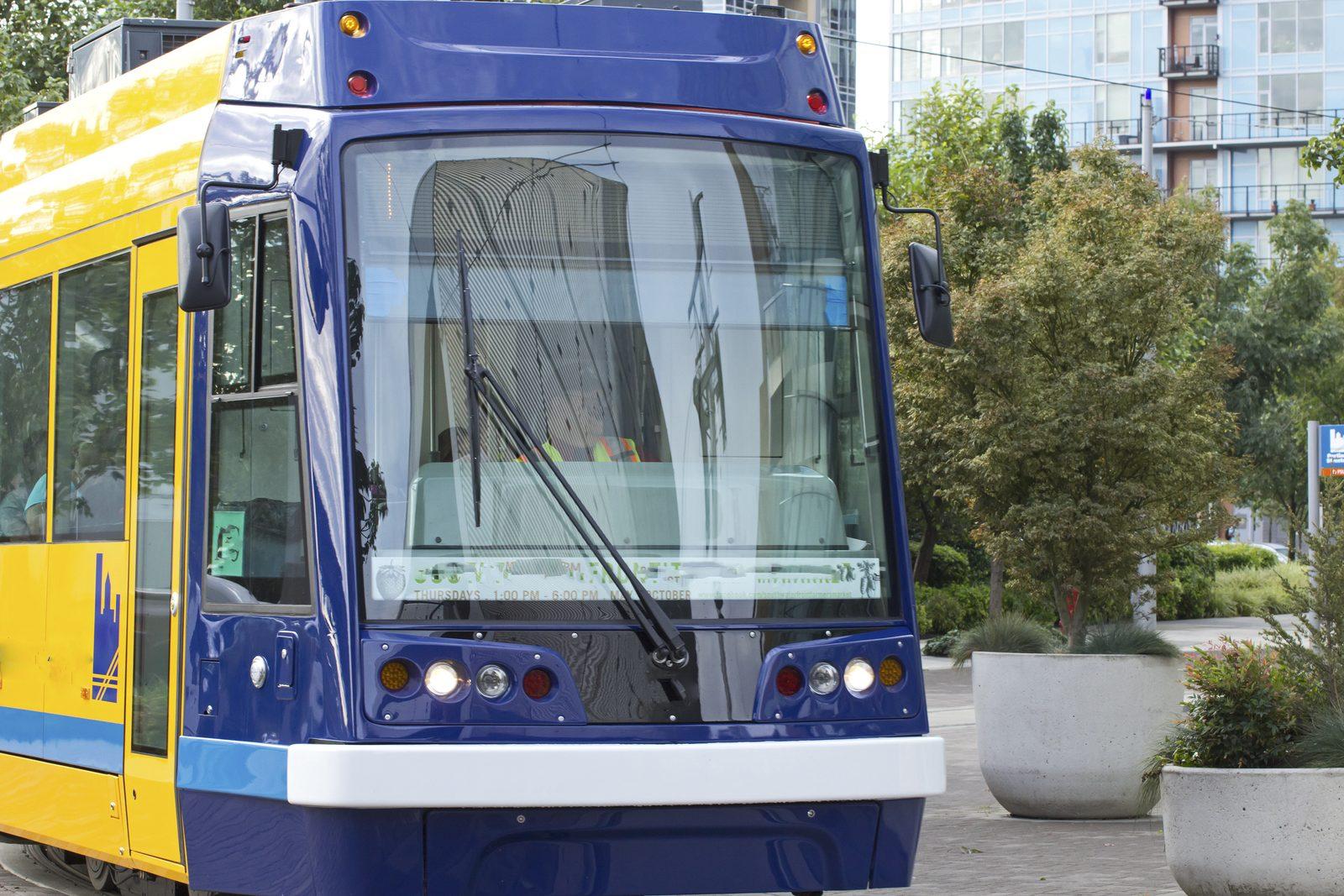
Geneva by Tram, Bus and Shuttle Boat
Geneva’s public transport network can be used as the structure for a city day. The tpg visitor guide describes buses, trams, trains and shuttle boats as ways to reach the city’s landmarks and activity areas. It specifically connects the transport offer with places such as the Jet d’eau, the Flower Clock, the Palais des Nations, parks, swimming sites, theatres and cultural institutions.
That range makes the network useful for more than commuting between two addresses. A visitor can choose a waterfront start, continue toward a park or cultural site, and use another mode for the next leg. The point is not to create a rigid itinerary but to make Geneva’s different districts easier to combine without relying on a car.
The guide’s inclusion of shuttle boats is especially relevant for plans built around the lake. Trams and buses provide the street-level connection, while trains and boats add other ways to move through the city and its surroundings. Each mode changes the view and the pace of the day while remaining part of the same visitor-oriented system.
A practical plan begins with one anchor destination. From there, use the tpg guide to identify a second stop that matches the available time and the preferred mode of travel. A park, swimming place or cultural venue can become a natural pause rather than an additional obligation.
The guide also points to international organisations and theatres, showing how public transport serves both everyday city life and Geneva’s visitor-facing institutions. That mix is useful when a day needs to balance an appointment, a walk and a cultural stop.
Before leaving, check the current tpg journey information and the opening details of the destination itself. The transport guide can show the available framework, but the final timing belongs to each venue. Keeping those two checks separate makes the plan clearer and avoids building a day around assumptions.
The same approach works for residents planning a short outing and visitors building a longer route through the city.
The network is consequently a practical invitation to explore Geneva in sections. One ride can be the connection, another can become part of the experience, and the visitor can decide how much of the city to absorb between stops.
A modest plan also leaves space for the city around the destination, rather than treating the stop as an isolated appointment.
Public transport becomes most useful when it supports choices rather than dictates them. Keep one destination fixed, let the route provide the connection, and leave enough flexibility for a park, a view or a cultural stop to earn its place.